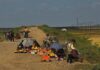


Frequent fights are erupting between North Korea’s rural residents who illegally fell trees out of desperation to secure firewood for the winter and the forest rangers tasked with curbing such illegal activity. The forest rangers have ramped up their crackdowns this year, leaving rural residents who are urgently preparing for winter deeply unhappy.
“Frequent fights are erupting in rural communities near Sonpung village, Onjin county, between people trying to secure firewood and forest rangers who must protect every single tree,” a Daily NK source in South Hwanghae province said recently. “This is because they have no choice but to harm forests to survive, and forest rangers must intensify crackdowns on such people to keep their jobs.”
North Korea pushed a 10-year nationwide reforestation project between 2015 and 2024. The project, which aimed to turn denuded mountainsides into “golden mountains” and “treasure mountains,” was one of great national importance for several reasons, including protecting the ecological environment and preventing natural disasters. Accordingly, North Korea mobilized everyone for the effort, even calling it a “struggle.”
However, during last year’s project review, the reforestation effort’s failure to produce results came under intense fire. In particular, forest rangers tasked with on-the-ground protection and management of mountain forests got raked over the coals, and they continue to feel pressure to keep their jobs.
Rangers face exile while villagers need fuel
“Nowadays, forest rangers have it the worst,” the source said. “Since the reforestation project was ordered by Kim Jong Un, if you catch the attention of a central government official and they criticize you for failing to manage your forest, you are sacked or sometimes even exiled.”
In this circumstance, the current period—right before winter—is when forest rangers are most alert, the source said. In particular, because most people in rural communities use wood as fuel in the winter, forest rangers go into crisis mode when villagers head into the mountains to indiscriminately fell trees for firewood.
“It’s natural for trees planted every spring to grow to about 80 centimeters and then disappear around this time,” the source said. “People regularly cut them down to prepare for winter, so everyone agrees that no matter how many trees you plant in spring, it’s a futile effort.”
To prevent this, forest rangers crack down harder every year at this time. This year, they have ramped up their crackdowns to a new level, preventing people from even entering the mountains. One forest ranger even formed a joint patrol team with the village party committee to intensify the crackdowns.
As a result, villagers who rely on felling trees in the mountains to prepare for winter are complaining, the source said. Confronting the forest rangers, they blame officials for cracking down on them while failing to provide them with firewood, and question whether forest rangers should stop them from entering the mountains to protect the trees planted in spring when villagers need firewood right now.
“The forest rangers will get in big trouble if a single tree they planted in spring is harmed, while the villagers don’t have enough firewood but can’t go into the mountains, so fights are breaking out as both sides are on edge,” the source said.
Ultimately, these tensions originate from structural problems. The conflict will continue unless the authorities provide a fundamental solution to winter fuel shortages. “As long as there’s no solution to the firewood problem, the tensions will inevitably continue.”