

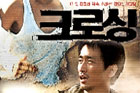
[imText1]The movie “Crossing,” directed by Kim Tae Gyun, best known for his light-hearted romantic comedies including “A Millionaire’s First Love” and “The Temptation of the Wolf,” was screened for the first time on April 28th in Washington D.C. This film portrays the tragic lives of the North Korean people.
Every year around this time for the past 4 years, the United States’ NGOs for North Korean human rights host “North Korean Freedom Week” which consists of various events. As one of these events, American human rights groups presented a screening of Crossing.
It is the story of the former soccer player from South Hamgyung Province, North Korea, Kim Yong Soo (played by Cha In Pyo). With his wife malnourished and suffering from Tuberculosis, Kim Yong Soo leaves her and their eleven-year-old son behind in North Korea and travels to China in search of medicine. After undergoing extreme hardship, he enters South Korea where he receives word of his wife’s death. The plot is straight-forward, however, it is said the suffering and despair of the North Korean people is vividly and effectively depicted.
Tears were said to have flowed among audience members throughout the duration of the film. Kim Yong Soo’s eleven year old son, screams, “Don’t take my mother!” tears streaming down his face as his deceased mother’s body is loaded onto a truck. In the moment when Kim Yong Soo learns of his wife’s death and cries out sobbing “Why does Jesus only exist in the South,” the audience members cried audibly.
Viewers cannot help but to shed tears when they see the weakened state of a person facing violence and starvation in a completely isolated country.
When the despair, pain and sorrow of the North Korean people are depicted on the big screen next month in South Korea, people will witness the tragic realities of life under the dictatorship. When all this is absorbed in the hearts of audience members, they will feel the urge to save the North Korean people from their mire. This is the power of art.
A few weeks ago, a musical entitled “Love in Yoduk,” portraying the lives of prisoners of the 15th Political Prison Camp in Yoduk, also came to the stage in Seoul.
Through these works, the numbers of those who have seen and heard the stories of North Koreans painfully living out their lives in one of the world’s most lurid countries has been expanding that much more. Viewers will communicate the sad story of the North Korean people to others. They may also come forward to help defectors, and you never know if a leader will emerge from among the young people who dive into the North Korean human rights and democracy movement. Again, this is the power of art.
North Korean human rights groups first sprang up in South Korea ten years ago. At that time, there was almost no interest in the North Korean human rights movement. However, despite the poor environment, this movement ignited through the sacrifice and efforts of a small number of people, would not be extinguished. As a result, more and more people acquired an interest in North Korean human rights, and now, the suffering of the North Korean people is being communicated to the world through art.
Art harbors intense energy to move the spirit of the people. If one or two capable artists come forward, the masses of those who sympathize with the plight of the North Korean people and want to aid them will exponentially increase. Audiences have been emotionally stirred by the Crossing according to reports. Surely, this is time for artists everywhere to begin working for North Korean human rights.








