

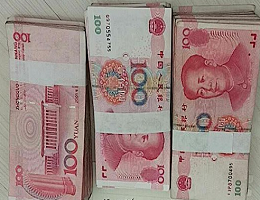
North Korean Ministry of State Security officers are reportedly extorting wire-transfer brokers in the border region of North Hamgyong Province. Defectors who escape the country often try to send money back to their relatives inside North Korea, but such transactions are complicated and difficult. To assist with the transfers, a clandestine industry of wire-transfer brokers has emerged to facilitate the cash infusions. Ministry of State Security (MSS) officers have long understood the opportunity for personal gain by threatening these brokers, offering to look the other way in exchange for bribes.
“Just two months ago, brokers were charging about 25-30% commission to process wire transfers coming from South Korea or China, but it has now increased to 40%,” explained an inside source in North Hamgyong Province, speaking to Daily NK by phone on February 22. “Ministry of State Security officers are offering to ignore these ‘illegal transfers’ in exchange for bribes.”
Elaborating on the development, the source said, “The transfer brokers here [in North Korea] are almost all being tracked by Ministry of State Security investigators. The MSS agents will openly demand bribes from brokers in exchange for not reporting them.”
When asked about the history of interactions between the brokers and the police, the source explained, “The MSS agents have evolved past simply conducting surprise raids and confiscating all the money. Now they emphasise the ‘cooperative’ nature of the exchange, calling it a safe way for both sides to make money. They are no longer apprehending the same brokers over and over because they have figured out how to get more of the profits.”
The new approach means that a larger portion of the money being sent by defectors to their families is getting eaten up by middle men. In the past, defectors could expect that their families would receive about 700,000 KRW if they sent one million Korean Won (roughly US $925). But these days, most are content if their families end up receiving about 500,000 KRW from the original amount.
The MSS agents themselves are also under duress, as they are required to contribute a significant proportion of their earnings to their senior officers. They are unable to outwardly voice any discontent for fear of punishment.
“MSS agents need to get their cut no matter what, so they are raising their demands to the brokers. In the end, it’s the defectors and their families that lose out,” a source in Ryanggang Province said.
As coordinated international sanctions begin to have an impact on funding streams for North Korea’s central agencies, the authorities are looking for alternate ways to keep the money flowing, including new approaches to extortion.
“Every unit in Pyongyang [the central government], is responsible for their own [foreign currency earning] tasks, and so the units with power are using threats and intimidation to enter into ‘cooperative’ arrangements with the residents, which means the residents have to turn out their pockets. Until we no longer have to worry about securing enough food to eat, our country [North Korea] will never be rid of this sort of mentality,” the Ryanggang-based source explained.
According to the North Korea Database Center (NKDB) for Human Rights, the majority of North Korean defectors have sent money to relatives in North Korea. A survey conducted in 2016 with a sample population of 400 respondents revealed that 63.6% had experience sending money. 29.3% of respondents sent an average of 2.65 million KRW per transfer. Most tended to send money once or twice per year.









