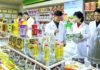


A wave of inflation is crushing North Korean markets as exchange rates soar and the local currency plummets. The dollar’s value has jumped 20-30% virtually overnight, throwing market merchants into turmoil. Yet instead of giving traders more freedom to adapt, authorities are tightening their grip on market activities.
Merchants Struggle Under Price Controls
A merchant who runs a stall at a Sinuiju market in North Pyongan province explains the impossible situation: merchants need to adjust prices daily to match fluctuating exchange rates just to survive. “But the market management office keeps patrolling to make sure we can’t change our prices,” she says. “We have no choice but to sell secretly when the enforcement people aren’t watching.”
The financial squeeze is devastating. Another merchant in Kanggye, Jagang province, used to earn $80 monthly profit last year—now he can barely make $30. “After paying for inventory and market taxes, there’s hardly anything left,” he explains.

Rising Taxes Add to the Burden
Making matters worse, many markets have hiked their taxes since last year. Recent orders from North Korean authorities state that market taxes can now change regularly based on agreements between local commercial departments and market management offices.
When explaining these increases to merchants, officials tell them to “pay their quota to the state since this is the final year of the Eighth Party Congress.” They’re told to “follow orders without questioning what the money is supposedly for—you’re paying the state.”
Merchants see this as clear pressure: comply with state restrictions and demands, or lose the right to do business.
Daily Operations Under Scrutiny
Market Hours and Closures
Markets like Sinuiju’s main market operate from 10 a.m. to 8 p.m. under normal conditions. Hours get shortened or markets close entirely during rice planting season or major state events. On Aug. 14, the day before Fatherland Liberation Day, merchants were ordered to close at 3 p.m. and go home to watch Pyongyang’s celebratory events on television. The market remained completely closed the following day.
A Flood of New Restrictions
The orders keep coming. Recent directives include:
- Pay market taxes without complaint, as standards constantly change
- Enhanced sanitation inspections and food safety management
- Health exams every six months for anyone with a history of infectious diseases like tuberculosis or hepatitis
- Special permission required from state security to sell electronics, with detailed records of item types and serial numbers
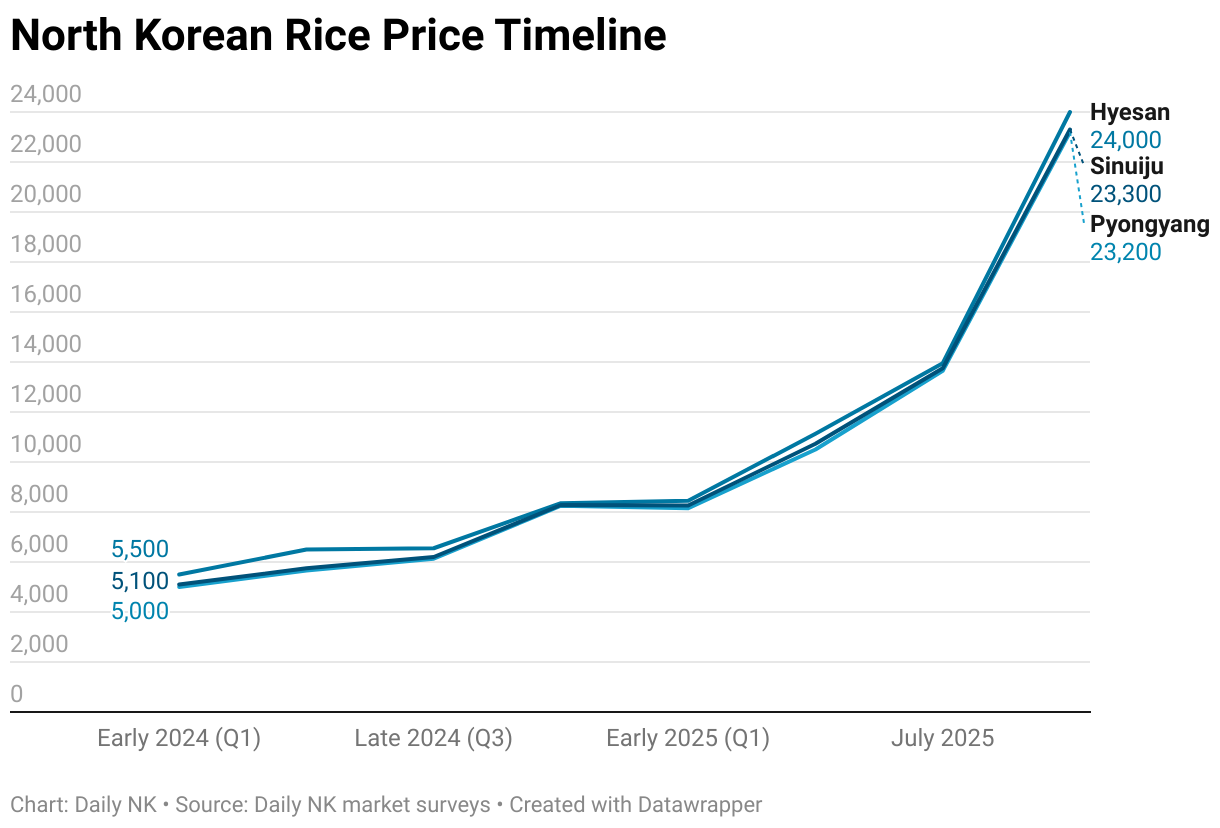
Oddly, one recent order actually loosened restrictions: as of Aug. 8, merchants can now sell up to 30 kilograms of grain per person daily, up from 18 kilograms. Officials emphasized this increase showed “the party’s consideration”—likely a response to skyrocketing grain prices.
Empty Stalls Tell the Story
Some merchants have simply stopped showing up. Why pay market taxes when business is terrible? Many now sell goods from home via mobile phone orders and delivery instead.
The empty stalls reveal which sectors are hit hardest. Wheat products—flour, grain, and noodles—sit unsold because wheat has become prohibitively expensive and difficult to import. Sugar and oil stalls often stand empty too. Medicine and imported food sales have plummeted as high exchange rates price out most customers.
Butcher stalls have virtually disappeared since July. With expensive feed costs, few people raise pigs anymore, and pork prices have soared beyond most people’s reach.
What’s still selling? Vegetables, corn noodles, beans, chicken feed, cigarettes, and frozen fish—essentials that people can’t do without.
Merchants Adapt and Endure
Despite intensifying controls, merchants find ways to survive. As the Sinuiju merchant puts it: “No matter how much they control the markets, you can sell from home, in alleyways, or ride around on your bicycle with goods tied to the back.”
Her attitude reflects a deeper skepticism: “When did we ever trust the state? People make do on their own. Even if you have complaints about the controls, there’s no point speaking up and getting labeled a reactionary.”
The strategy is pragmatic: if you can make money and pay what authorities demand, you show up at the market. If not, you sell from home until things improve. Merchants have learned to devise their own methods to work around the restrictions.
This flexibility may be what keeps North Korea’s informal economy functioning, even as official policies seem designed to strangle it.