

[imText1]Following the North Korea nuclear experiment last October, the United States Government is imposing restrictions on exports and reexports of luxury goods to North Korea in accordance to the passing of the U.N. Security Council’s North Korea resolutions. Prior, the U.S. had abolished such sanctions after missile negotiations with North Korea were made during the Clinton Administration.
The U.S. Bureau of Industry and Security (BIS) released its Federal Register (Vol. 72, No. 17) on the 26th amending the Export Administrations Regulations (EAR). Under the amended regulations “a license is required to export of reexport any item subject to the EAR to the Democratic People’s Republic of Korea, except food and medicines classified.”
However, clause (4) stated “Applications to export or reexport humanitarian items (e.g., clanks, basic footwear, heating oil and other items meeting subsistence needs) intended for the benefit of the North Korean people; items in support of United Nations humanitarian efforts” as such, would be subject to approval as long as the item was deemed not a luxury good.
The BIS also explicitly stated the rules and regulations of gaining an export license and specifically listed items determined as a luxury good. In regards to all other items, the BIS deemed that as long as the transactions met the “applicable terms and conditions of any of the license exception subsections specified,” only then would the transaction consent be considered.
[imText2]In 1999, the U.S. made a missile agreement with North Korea and accordingly from June 2000, export licenses required to trade with the North were abolished as were the embargos. However, since the missile launch last year July, the U.S. prepared measures to reinstate the trade licenses.
While the BDA issue intensifies the relationship between the U.S. and North Korea, some deliberate whether or not the U.S. is simultaneously trying to find a conciliatory equilibrium and sanction scheme by announcing licenses against exports to North Korea.
※ Link to the U.S. BIA Federal Register (Vol. 72, No.17, Rules and Regulations, 15 CDR Parts 732, 738, 740, 742, 746, 772 and 774)
[The following lists the items under part 746 classified luxury goods to North Korea]
Examples of Luxury Goods
(a) Tobacco and tobacco products:
(b) Luxury watches: Wrist, pocket, and others with a case of precious metal or of metal clad with precious metal:
(c) Apparel and fashion items, as follows:
(1) Leather articles
(2) Silk articles
(3) Fur skins and artificial furs
(4) Fashion accessories: Leather travel goods, vanity cases, binocular and camera cases, handbags, wallets, designer fountain pens, silk scarves
(5) Cosmetics, including beauty and makeup
(6) Perfumes and toilet waters
(7) Designer clothing: Leather apparel and clothing accessories
(d) Decorative items, as follows:
(1) Rugs and tapestries
(2) Tableware of porcelain or bone china
(3) Items of lead crystal
(4) Works of art (including paintings, original sculptures and statuary), antiques (more than 100 years old), and collectible items, including rare coins and stamps
(e) Jewelry: Jewelry with pearls, gems, precious and semi-precious stones (including diamonds, sapphires, rubies, and emeralds), jewelry of precious metal or of metal clad
with precious metal
(f) Electronic items, as follows:
(1) Flat-screen, plasma, or LCD panel televisions or other video monitors or receivers (including high-definition televisions), and any television larger than 29 inches; DVD players
(2) Personal digital assistants (PDAs)
(3) Personal digital music players
(4) Computer laptops
(g) Transportation items, as follows:
(1) Yachts and other aquatic recreational vehicles (such as personal watercraft)
(2) Luxury automobiles (and motor vehicles): Automobiles and other motor vehicles to transport people (other than public transport), including station wagons
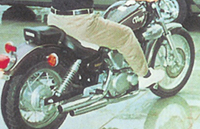
(3) Racing cars, snowmobiles, and motorcycles
(4) Personal transportation devices (standup motorized scooters)
(h) Recreational items, as follows:
(1) Musical instruments
(2) Recreational sports equipment
(i) Alcoholic beverages: wine, beer, ales, and liquor









