

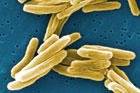
April should see the completion of the National TB Reference Laboratory, the first diagnostic laboratory in North Korea capable of distinguishing between different types of Tuberculosis (TB).
The laboratory, located at the No.3 TB Hospital in Pyongyang, represents the fruits of a lengthy collaborative effort between North Korea’s Ministry of Public Health, religious organization Christian Friends of Korea, Stanford University and the non-profit, Ted Turner-founded Nuclear Threat Initiative.
North Korea has seen a resurgence of TB since the March of Tribulation, the famine which killed many and severely compromised the general health of the remaining population during and after the 1990s. In addition, the country has never before had the ability to recognize drug-resistant forms of the disease.
“With the emergence of drug resistant forms of TB, international cooperation is essential, and this work is vital to reduce biological risks and advance health security,” former Senator Sam Nunn, the co-chairman and CEO of NTI’s Global Health and Security Initiative explained in a press release in late February.
“The impact in economic and security terms is very costly,” he continued, “particularly for countries with limited resources. The burden could be catastrophic in the event of a major epidemic or global pandemic causing widespread disruption and human suffering.”
However, North Korea is also facing a serious TB medication shortage in the coming months which could seriously affect efforts to combat the disease, with or without the new laboratory facility. According to CFK, shortages could leave 96,000 TB sufferers without medication in 2011. With each untreated patient able to infect up to 20 others in any given year, the dangers of even more widespread infection are a cause for concern.
CFK reports that the World Health Organization expects to run out of TB medication in August of this year unless additional sources can be secured.







