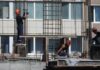


The number of homeless children begging for food on the streets is on the rise in Tanchon, South Hamgyong Province, Daily NK has learned.
“There are more children kkotjebi in Tanchon these days,” a source in South Hamgyong Province told Daily NK on Wednesday, using a North Korean term to describe homeless people.
“People with nothing to eat and nowhere to sleep or roaming around train stations, markets and the streets, but neither the city party committee nor people’s committee are taking measures to deal with it,” he added.
According to the source, particularly noticeable about the homeless found throughout Tanchon as of late is that most appear to be in their teens.
Various kinds of children are wandering the streets, from children who might have parents or homes but ran away to the streets when they could no longer endure the hunger, to children abandoned by their parents.
However, the source said local residents can spare little interest in the street children as they themselves are suffering economic difficulties and food shortages so severe that buying food from markets or street vendors is a challenge.
“For everyone nowadays, putting three meals on the table is almost like a war,” said the source.
“The children have nothing to eat or anywhere to sleep and are shivering in the cold, but people can only sympathize with them. They can’t solve their hunger,” he added.
In fact, even on the streets, the homeless are reportedly having a tough time even scoring one meal a day with few people helping them. The homeless could usually provide for their meals through begging on the street, but nowadays, with scoring even a single meal through begging proving difficult, the homeless now wander around homes near marketplaces, readily burglarizing the empty ones.
“These days, with the number of homeless growing, it reminds me of the Arduous March, although there’s no bodies of people who’ve starved to death on the streets,” said the source.
“Even though children who — at their age — should be running around playing carefree under their parents’ protection are reduced to being kkotjebi, living vagabond lives and even engaging in habitual theft,” he continued, adding, “The state is just ignoring them, causing discontent among ordinary people.”
Please direct any comments or questions about this article to dailynkenglish@uni-media.net.