


Unification Media Group (UMG: It’s time for another weekly update from reporter Kang Mijin. Can you start by telling us about the trends from last week?
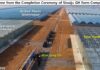
Kang Mi Jin (Kang): As we enter the period in March known as the “agricultural hardship period,” more and more residents are having a difficult time making a living. A source travelling in Kangwon Province, Pobdong County recently told me that the gap between the rich and the poor is getting more pronounced, as construction for sightseeing facilities occurs on the coast of Wonsan City.
Urban residents are able to engage in market trading to earn money and make a living, but residents in agricultural areas are having a much more difficult time as the upcoming busy farming season approaches. North Korean residents all over the country generally have a hard time during the farm hardship period, but things have gotten worse due to another development. The Shock Troops have come into Gangwon Province to work on construction projects, and the undernourished workers are resorting to burglary of local homes.
UMG: Considering that this is a critical period for North Korean farmers, there must be a lot of anxious people out there.
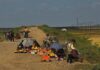
Kang: Yes, that’s true. A source said that many families in Pobdong County feel pressured to have at least one family member out earning in the markets to be able to put food on the table. There are also residents who bring persimmons that they dried last year to areas around the construction sites to sell. After they sell their products, they tend to hang around the construction sites for a bit. I asked why this might be the case, and the source told me that they go around with a rice or corn sack looking for Shock Troopers and soldiers, because they can buy it at a cheaper price from them than in the markets.
They can save money and purchase a greater quantity of food this way. So after they finish their sales, they do a couple circles around the area. Even though things are tough around this time, some of the residents are relieved because they are able to make a living thanks to the peripheral activity around the construction sites.
UMG: It’s difficult to hear about the pain and struggles that residents endure during the farm hardship period. Do you have any other new developments to report?
Kang: Yes, we’re hearing from inside sources that construction projects are sprouting up all over the country as the weather clears up and we enter spring. In relation to this, the price of diesel and gasoline began to rise a few days ago. A source who was mobilized to a construction site in Samjiyon, Ryanggang Province, said that activity has been increasing and that the price of gas has gone up in response. For example, the source said that some streets were even cleared to allow bulldozers and other equipment to pass through. Today’s report concludes with a breakdown of those prices.
Samjiyon is not the only area where construction is underway. In Kangwon Province, Wonsan City’s Kalma Region, construction efforts underway for sightseeing destinations. And the whole country has seen new projects, both large and small, emerging. The construction sites require a large amount of gasoline and diesel, and this collective increase in demand is driving the prices up. In addition to construction, March is rice-planting time for South Hamgyong Province, where farming machinery will further add to the demand for fuel.
That’s not all. The spring also brings “city beautification” activities. The streets in the cities all over the country, neglected during the harsh winter, need to be prepared for increased traffic. These efforts also require fuel.
UMG: Shall we move on to market trends?
I’ve gotten information from multiple sources indicating that smuggling activities are increasing in the border regions. According to information from informants in North Hamgyong Province and Ryanggang Province, large amounts of seafood caught in the East Sea is being brought to the border region, where trains and servicha [privately-run logistics vehicles] can be seen loaded up with seafood.
A source from Chongjin told me on March 19th that pollack, trout, atka-fish, sand eel, shrimp, and squid caught in the East Sea are immediately chilled after being pulled out of the water and brought over to Ryanggang Province for sale. He said that as the price of seafood rises, the fishermen stay out at sea for days at a time, and end up having accidents.

UMG: Daily NK recently reported that smuggled North Korean seafood is being sold in China’s Yanji Market, in violation of United Nations Security Council Resolution 2371 (adopted unanimously on August 5, 2017), which bans all North Korean exports of seafood.
A resident who works as a smuggler in the vicinity of Ryanggang Province told Daily NK, “I am doing so much fish trading these days that my house stinks like fish. As rumor spreads that it’s possible to get a higher price by smuggling seafood and selling it in China, large amounts of seafood have been distributed across the border.”
Reports indicate that clams from the West Sea are also being brought to the border areas. It’s possible to hear that people are making quite a bit of money in these markets from seafood sales.
UMG: So it seems that with a lackluster domestic market, merchants are feeling the economic lure of smuggling. How much have prices risen?
Atka-fish is selling for 12,500 KPW per head and 25,000 KPW for two. Pearl oysters are fetching a very high price of 237,000 KPW, while normal clams sell for about 20,000 KPW.
Frozen pollack, which North Korean residents enjoy eating, is selling for 12,000 KPW, coming in at a more expensive price than dried pollack. Smuggled products need to be good quality, so the rejects end up getting sold in markets near the border on the North Korean side. If a lot of rejected seafood enters the market, the prices can get pushed down. Sometimes the rejected seafood is better quality than the normal seafood available in the market, and sometimes it’s actually sold at a higher price.
UMG: If rejected seafood enters the domestic markets at a lower price, this should come as good news for the residents, right?
One source told the that it was her in-law’s birthday, so she went to the market to buy some food for the party. There was some frozen pollack that had been expelled from a smuggling shipment that was very large and fatty. Since it wasn’t too expensive, she bought it. That wasn’t the only thing she saw; “there were also lines of high quality mackerel and atka-fish,” she said.
Another source said that the price of seafood had come down so far that ordinary workers were using it as a side dish for their packed lunches. This is not a very common thing in North Korea. Only well-off households can afford to pack seafood for lunch.