

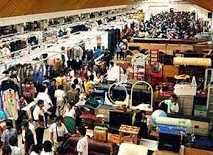

The demand for South Korean-manufactured goods in North Korea is rising. Consumers in North Korea have learned that the first two digits of a product’s barcode serves as the country code, identifying the origin of the company that made the product. While the sale of South Korean products is expressly forbidden by the North Korean authorities, consumers in the past have euphemistically referred to such items as “products from our Southern neighbors,” or “clothes without tags,” in order to circumvent uncomfortable accusations.
But a new expression is rising to prominence these days. The number 88 is the country code that indicates a company is of South Korean origin, and it is now being used by North Korean shoppers to request such goods.
“At markets all over the country including Pyongyang, people have started using barcodes to describe a given product’s country of origin. South Korea is referred to as the number 88, and Japan is the number 49,” a source from South Pyongan Province told Daily NK on November 4.
When asked how the phrase is typically used in market transactions, the source replied, “Merchants used to show shoppers the ‘Made in Korea’ tag, but now they prefer to discreetly ask passing shoppers if they are interested in ‘Product 88.’ Even customers as young as teenagers will seek confirmation by checking the country code on the barcode.”
Sources in Pyongyang and North Hamgyong Province corroborated this information.
According to the United Nation’s System of National Accounts, the first 2 or 3 digits of a barcode symbolize the origin of the company that made the product. South Korea is 880, China is 690, and Japan is 45 and 49.
The consumer practice of identifying products by their barcodes has come in response to another market trend. Merchants have recently started to profit from the popularity of the Korean Wave (Hallyu) by deceiving customers, with some vendors removing the tags from clothing and trying to convince shoppers that the items are produced in South Korea, when in fact they come from Japan or China.
“There are also Chinese devices for sale at the market that can read a barcode and indicate whether there has been any attempt to alter it. You simply scan any barcode using the device’s reader. If the barcode has been manipulated, a red light will flash,” the source explained.
The authorities have attempted to intensify their crackdown against the sale of South Korean goods – a crime considered counter to socialist tenets; however, the demand for illicit items remains as strong as ever.
“Vendors know that they will have their goods confiscated by agents from the Ministry of People’s Security if they have ‘Made in [South] Korea’ tags on them. So they deliberately clip off all the descriptive branding tags. However, they leave the barcodes affixed to the items and even display them out in the open,” the source said.
“Nobody is interested in products with barcodes that indicate production in North Korea. On the other hand, even middle school students know which numbers indicate Japanese, South Korean or Chinese manufacturing.”









