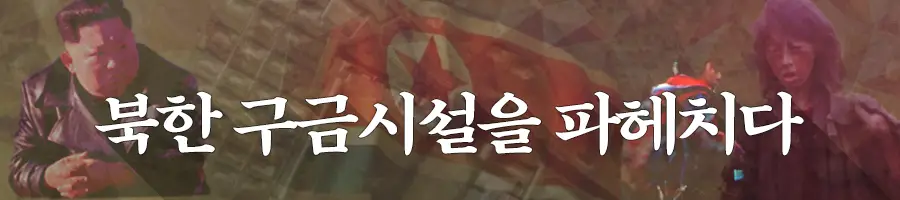


Testimony has once again emerged regarding human rights abuses at North Korean reeducation camps, including terrible conditions and long periods of back-breaking labor.
According to a Daily NK reporting partner in South Pyongan Province, a woman in her 30s was released from a reform through labor camp in late March after a seven-year stint at the facility.
The woman had been making money shipping meth by train from Pyongsong to Sinuiju from 2016, but she was arrested by a special mobile team sent by the Ministry of Social Security in 2017 and incarcerated in the reeducation camp, the reporting partner said, speaking on condition of anonymity due to security concerns.
Special mobile teams board trains at arbitrary times and at the station of their choosing, carrying out surprise raids on not only passengers, but also on the onboard police officers and personnel.
When special mobile teams board a train, they carry out thorough inspections starting with the onboard police officers’ room. If the inspectors discover items the onboard police officers were bribed to bring onto the train, the people who asked them to take the illicit cargo receive the heaviest punishment.
This is because even if the onboard police were bribed to take illicit cargo, if they are caught by a special mobile team, they can avoid responsibility by reporting that they seized the items first after making the bust themselves.
In the case of the woman, the special mobile team found her meth, but the onboard police falsely reported that they had seized the meth themselves. They handed over the woman and the meth to the special mobile team, and she was ultimately imprisoned after receiving a sentence of seven years of reform through labor.
The woman was released from the reform through labor camp in late March, a year earlier than expected because she received a special pardon.
“The camps were originally terrible, but since COVID-19, conditions in the reeducation camps have grown even worse,” said the woman through the reporting partner. “You receive woefully insufficient food, and in winter, you have to go through the season in summer clothing since there’s no winter clothing, so even healthy people become disabled.”
The woman also testified that bribery and other forms of corruption are rampant in the camps. She explained: “In the case of prisoners whose family members often visit, they get light work if the family members bribe the guards, but prisoners who get no family visits have to take on difficult work.”
The women even said she witnessed four fellow prisoners die in a single day, either from disease or because they took their own lives.
Most of the people who commit suicide are fresh prisoners, said said, adding that prisoners who have been at the camp for a few years somehow endure and survive, but new arrivals find it hard to endure, believing life inside is a living death.
“Over time, people find it difficult to even talk due to the hard labor,” she told the reporting partner. “And with the police in the camp tasking the prisoners to watch and report on one another, it really is a living hell.”
Translated by David Black. Edited by Robert Lauler.
Daily NK works with a network of reporting partners who live inside North Korea and China. Their identities remain anonymous due to security concerns. More information about Daily NK’s reporting partner network and information gathering activities can be found on our FAQ page here.
Please direct any comments or questions about this article to dailynkenglish@uni-media.net.