
North Korea has expanded mandatory HIV testing beyond travelers entering and leaving the country. The policy now covers hotel, restaurant and department store workers who may come into contact with foreigners. It is drawing growing complaints in 2026 over its cost and the social stigma it carries.
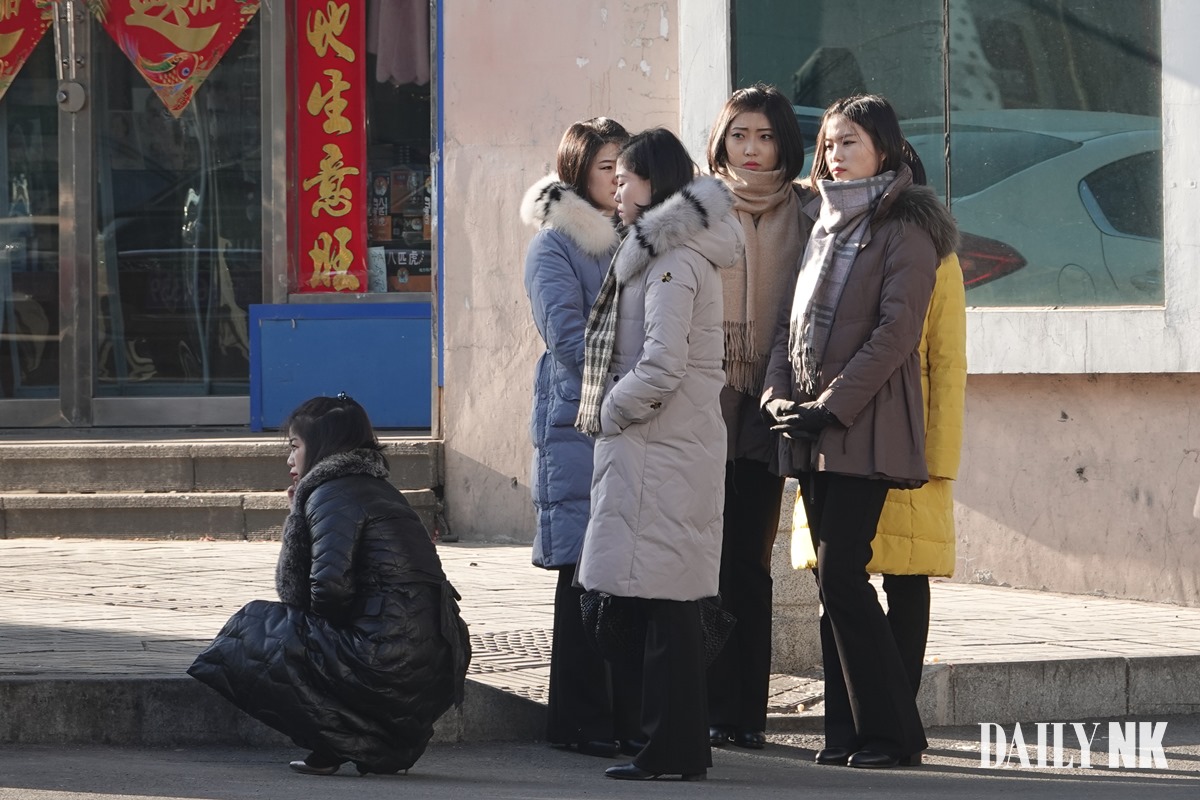
A Daily NK source in Pyongyang said Monday that North Korea has required quarterly HIV tests since last year. The tests apply to service-sector workers who interact with foreigners entering the country for trade, business, family visits or tourism. The testing covers hotel, restaurant and department store employees in the provinces as well as Pyongyang, the source said.
Workers must undergo the tests regularly and pay for them out of pocket each time. “Workers have to pay $1 each time they’re tested,” the source said. “Getting a sexually transmitted disease test is uncomfortable enough on its own. Many say it’s hard to understand why authorities test them repeatedly when they don’t even know whether they’ve had contact with a foreigner.”
Women in particular feel a heavy psychological burden simply because they are on the list of workers tested, the source said. They become conscious of negative perceptions from those around them. Many see HIV testing less as a public health measure and more as a procedure that casts suspicion on their private lives.
“Workers say things like, ‘Does AIDS spread through the air?'” the source said. “Or, ‘Why do I have to get tested over someone I just passed by?’ Their aversion comes less from the purpose of the test itself. It comes more from feeling suspected of infection.”
HIV does not spread through everyday conversation, handshakes or simply sharing the same space. But North Korea lacks systematic education on transmission routes and prevention. That gap fuels strong social stigma against HIV testing itself.
State denies any domestic HIV cases
North Korea has long maintained that it has no HIV infections within its borders. Authorities have not explained transmission routes, prevention methods or the need for testing. By broadly designating test subjects based solely on contact with foreigners, they appear to be deepening public confusion and anxiety.
Meanwhile, North Korea continues to tighten quarantine and health screening. The measures target people entering and exiting the country and workers who interact with foreigners. Authorities have strengthened HIV and sexually transmitted disease testing since 2019 for North Koreans returning across the China border. They have since applied similar testing to workers returning from overseas postings.
“The quarterly testing fee has become a new burden for service-sector workers who deal with foreigners,” the source said. “As the number of tests increases, complaints are growing. It’s not just the cost. It’s also the discomfort of feeling suspected of infection.”
Reporting from inside North Korea
Daily NK operates networks of sources inside North Korea who document events in real-time and transmit information through secure channels. Unlike reporting based on state media, satellite imagery, or defector accounts from years past, our journalism comes directly from people currently living under the regime. We verify reports through multiple independent sources and cross-reference details before publication.
Our sources remain anonymous because contact with foreign media is treated as a capital offense in North Korea — discovery means imprisonment or execution. This network-based approach allows Daily NK to report on developments other outlets cannot access: market trends, policy implementation, public sentiment, and daily realities that never appear in official narratives.
Maintaining these secure communication channels and protecting source identities requires specialized protocols and constant vigilance. Daily NK serves as a bridge between North Koreans and the outside world, documenting what’s happening inside one of the world’s most closed societies.