

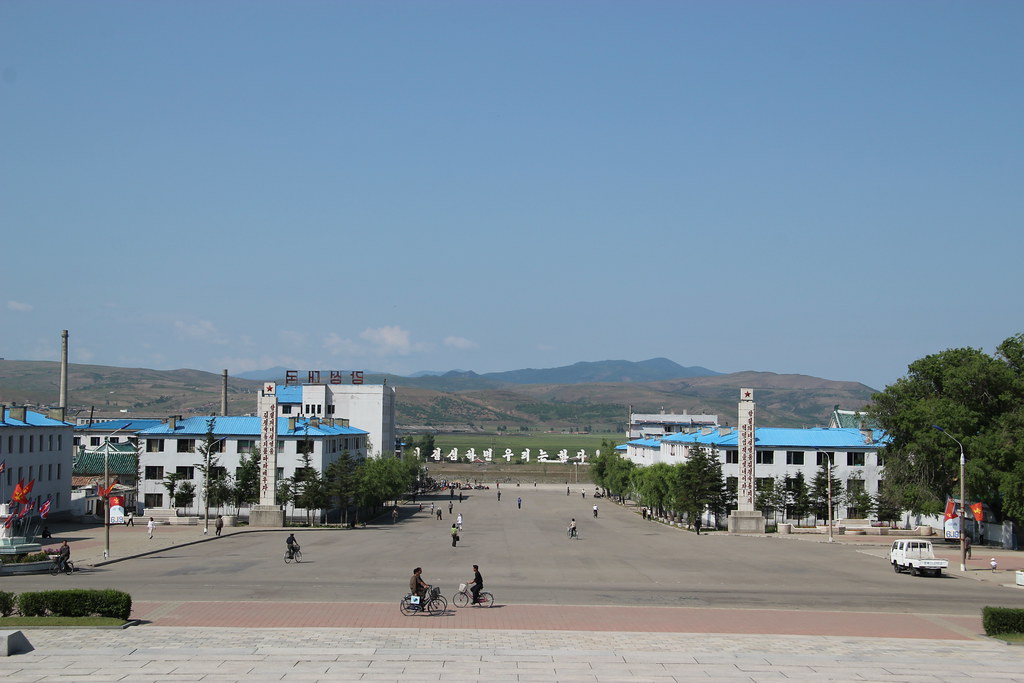
North Korean authorities have recently been identifying households with two or more missing family members and forcibly relocating them to rural areas, Daily NK has learned.
A North Hamgyong Province-based source told Daily NK on Wednesday that families in Hoeryong with two or more missing members are being banished to agricultural areas. “The investigation of missing people, which began at the start of this year, is still underway and families [with missing people] are concerned,” she said.
According to the source, the families most worried about the investigation are those with relatives who defected to other countries. These families have no way of knowing if or when they could be forcibly relocated.
In Hoeryong, the authorities have conducted four rounds of forcible relocations of households with any number of relatives confirmed to be living in South Korea or China. This process has led to the relocation of families who the authorities believe have relatives who defected to foreign nations.
Moreover, the authorities have a policy to expel families with two or more missing members, even if the exact whereabouts of these relatives remain unknown, the source said.
According to the source, four families from the Nammun neighborhood in Hoeryong were forcible relocated on Apr. 10. One of the families had two daughters who went missing eight years ago. The family was relocated even though the authorities confirmed through an investigation that they had never received money or even had contact with their daughters all these years.
This example suggests that the authorities are not making any exceptions to its policy of forced relocations. In fact, local Ministry of Social Security branches have received strict orders to “never turn a blind eye” toward cases of missing people, the source said.
The forced relocation policy appears to be deeply connected to the North Korean government’s push to eradicate “anti-socialist and non-socialist elements” from the society. In short, the authorities believe that the families of defectors are the main culprits behind the inflow of foreign information and culture into the country.
Moreover, the government’s desperate need for additional labor in rural areas appears to be another reason why forced relocations continue to occur. Although the authorities have used “petitions” to try and recruit volunteers to work in rural areas, these efforts have not been entirely successful. As such, officials may have moved to supplement the country’s dwindling rural workforce by forcibly relocating the country’s perceived “reactionary elements.”
People in positions of power who face investigations or forced relocation due to missing relatives, however, have reportedly found ways to avoid getting kicked out of their homes.
“Many cadres in the party, Ministry of State Security, Ministry of Social Security, and prosecutors’ offices have missing relatives,” the source said. “But they have already declared their relatives deceased, so they are being excluded from the forced relocations to rural areas.”
Translated by Gabriela Bernal. Edited by Robert Lauler.
Please direct any comments or questions about this article to dailynkenglish@uni-media.net.