
The price of medicines in North Korea have recently begun to rise amid continued shortages of medical supplies.
In a telephone conversation with Daily NK, a source in Yanggang Province said Monday that drug prices in Hyesan’s markets have been rising since the middle of last month. He said prices began rising two months after medications were imported from China in July.
According to the source, the antibiotic ciprofloxacin — a common medication for colds — climbed from KPW 25,000 a dose to KPW 28,500. Antibiotics penicillin and mycillin were KPW 3,000 and KPW 1,700 a dose, respectively, but locals believe these drugs are often counterfeit, preferring ciprofloxacin instead.
A capsule of amoxicillin, used to treat pneumonia, bronchitis and bladder infections, rose from KPW 900 to KPW 1,200.
Needles fell from KPW 2,500 to KPW 1,500 before rising again to KPW 2,000, while IV needles fell from KPW 2,500 to KPW 700 before rising again to KPW 1,200 with surging demand for injections and IVs thanks to winter colds.
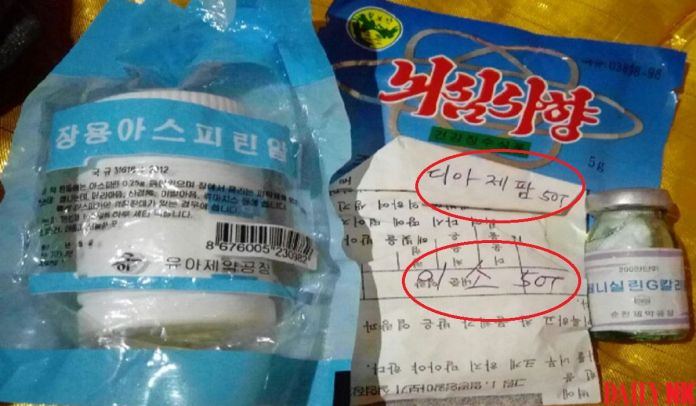
The source said as the medical supplies imported in July run dry in markets, the mulju who purchased them earlier are taking advantage of the opportunity to raise prices.
Mulju are business people who distribute goods wholesale.
North Korea’s free health care system has existed in name only since the 1990s due to worsening economic conditions. Because North Koreans have to pay “service fees” for even a single injection, they prefer to treat themselves with drugs purchased at markets or from individuals rather than go to the hospital.
The source said there has been a flood of people with colds because of the recent drop in temperature. Unable to purchase medicine, they are simply waiting around to recover on their own.
He added that drug prices show no signs of falling due to recent rumors that trade will remain closed. He said if the drug import issue remains unresolved, prices will continue to rise and people will complain of hardships.
Please direct any comments or questions about this article to dailynkenglish@uni-media.net.