

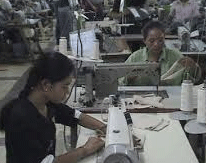
As North Korea continues to scrape by with
a shortage of foreign currency in its coffers, the state has been pushing
aggressively to ship more of its workers via the city of Rasun to China’s
development zone around the Tumen River. To find enough laborers, people from
all over the country are being pulled together, Daily NK has learned.
“Earning in foreign currency is an urgent
task at hand, so a lot of workers are being sent to China,” a source in China
close to North Korean affairs told Daily NK on Thursday. “The Tumen economic
development zone is close in proximity, so the North is being proactive about
sending workers there.”
In recent years, China has been struggling
with its workforce due to rising labor costs, triggering an increase in demand
for relatively cheap North Korean workers to galvanize production. In turn, the
cash-strapped North has been keen to capitalize on the opportunity–especially because
managing employees is easier in the zone, given its relatively remote location.
The Tumen development zone sits across from
Onsong in North Hamkyung Province and is 160 km away from the Rasun economic
zone. The various food, clothing, and electronics factories are mostly hiring
women in their 20s, said the source.
“There are roughly 6,000 North Korean
workers there at the moment, but the plan is to push these numbers up to
50,000,” the source reported. This is of little surprise, given that the lion’s
share of the 300 USD wage allotted to the employees is pocketed by the state.
“The Central Party, knowing it can make
money easily, has handed down orders to gather more workers from Hwanghae and Gangwon Provinces,” he explained.
To this end, factories in the region have
established much of the infrastructure needed such as dorms and cafeterias for
the workers. Moreover, to ensure it can keep its workers in line, Pyongyang is
said to have created a ‘closed work system’ in which its laborers not only have
to remain inside their dorms outside of work hours but are also banned from any
outside contact.
On these oppressive measures, as with most of these types of
arrangements with the North, China maintains a laissez- faire approach.
“The North has come up with this system to
manage its workforce because it knows that it’s great to bring in foreign
capital but–as always–it’s worried about outside culture seeping into the
country,” the source said, adding that many of the workers actually question “if they’re actually even in China.”
Of its dispatched workforce, 20 percent are
said to be agents from the State Security Department or those who have been
secured by them. Those individuals keep a watchful eye over the daily
activities and anything that has to do with workers’ political ideologies,
he asserted.
A large makeup of the workers being sent to
China are currently from the Rasun Special Economic Zone, said the source, who
takes this development as a sign that the North has come to terms with the realities of Rasun.
“It looks like they’ve decided it’s much
better to have products made in China and shipped in rather than dealing with
power and supply shortages within the country,” he concluded.









