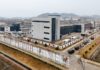


North Korean workers are returning home from China’s Liaoning province in significant numbers as Chinese factories permanently close their doors.
According to a source in China recently, Chinese factories have been relocating or shutting down operations due to the ongoing repatriation of North Korean workers from Liaoning province since late 2024.
Factory closures follow clear pattern
Smaller factories employing fewer than 100 North Korean workers have largely ceased operations, while larger manufacturing facilities with more substantial North Korean workforces continue to function.
Some North Koreans remain employed at these larger factories, though even these workers are expected to return to North Korea within the year. Despite this uncertainty, these workers continue their jobs to save money for gifts to take back home, the source explained.
Economic impact on workers and regime
The returning North Korean workers primarily worked in clothing, seafood processing, or electronics manufacturing, earning between 2,000–2,300 yuan (approximately $280–320) monthly.
Since North Korean overseas workers typically surrender more than half their wages to the government as mandatory “loyalty funds,” this repatriation trend has likely reduced the foreign currency Pyongyang collects from its international workforce.
No plans for worker replacement

Currently, there are no clear indications that North Korean authorities plan to send replacement workers to Liaoning province. The regime appears concerned that the proximity of Chinese factories to residential areas exposes North Korean workers’ lifestyle to Chinese public scrutiny.
Shift to more isolated locations
North Korea continues to send workers to garment and seafood processing facilities in China’s Jilin province. Factories there are situated farther from populated areas and less accessible to the general public, providing more security than facilities in Liaoning.
However, the source noted that relatively few North Korean workers have been sent to Jilin province—less than one-fifth of those who have returned from Liaoning.
New foreign currency strategies emerging
North Korean authorities are exploring alternative methods to earn foreign currency, including sending more construction workers to Russia and dispatching IT workers to China instead of factory workers.
“Female workers in China earn less foreign currency than male construction workers in Russia. North Korean authorities likely feel the need to develop new foreign currency strategies that balance economic interests with their relationship with China,” the source explained.