

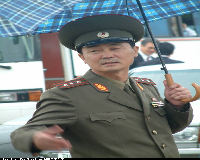
High-level military officials in North
Korea have been condoning the practice of hardship discharges or transfers to
easier units in exchange for hefty bribes. Senior military officials at the Ministry
of People’s Armed Forces [MPAF] and other posts are engaging in such illicit dealings in order to secure a means of supporting themselves in the future, Daily NK has
learned.
“MPAF
cadres and officials from affiliated units are permitting all kinds of measures
that will bring in more money to be used after they are discharged,” a source in North Pyongan Province told Daily NK on Tuesday. “The
higher their ranks, the easier it gets for them to use their influence to
rake in foreign currency (through bribes). Cadres from the General Political
Bureau, recruitment office, and medical department use their positions to amass
dollars, yen, yuan, and other foreign currencies.”
The amount of money these officials have pulled in for favorable transfers or hardship discharges requested by soldiers’ parents is stupendous. Documents guaranteeing medical discharge for
a regular solider cost 500 USD; military
soldiers, on the other hand, must pay up to 1,500 USD for the same service.
“Soldiers from military
hospitals not only at the corps but also at the division level are admitting
soldiers under the guise of being sick and then issuing discharge documents
within three to six months,” the source explained.
Moreover, these favorable transfers are specific to the those already operating within the military sector. High-ranking officials in Pyongyang have also been accepting bribes from wealthier residents–with eyes fixed on Pyongyang as their new residence–transferring them to work on bases there in exchange for 6,000 USD. “Some officials
even get brokers involved, using them to look for donju [new affluent middle
class] who want to reside in Pyongyang–transfer papers are issued once they have the cash in hand,” she said.
Predictably, corruption among military
officers stationed along the border is just as rife. In many cases, they purchase
food at lower costs from supplies intended for soldiers and then resell
the same stock at a much higher asking price, according to the source.
“At the beginning of this month, the Hyesan
Customs and Product Quarantine Office supplied rice at 2,000 KPW [0.25 USD] per kilogram
to regional military units, which is 60 percent below the market price,” the
source said. “Military officials then siphoned off the rice and cashed in on
more than half the profit by re-selling it to civilians at 4,500 KPW [0.56 USD],” the
source said.
High-ranking officials in their 40s and 50s have developed a code language of sorts to gauge their competition in this burgeoning field. They greet each other by asking, “How are things going for you?” which everyone in the know understands as an inquiry into how much wealth one has accumulated through bribery.
The source explained that these practices are an inevitable consequence of the failure of the state to provide for its populace. “Once these officials have
been discharged, they no longer receive support from the state and there are
no jobs for them to take, making it hard for them to secure their livelihoods. It’s easy to see why bribes have become a popular way of life for them.”









