

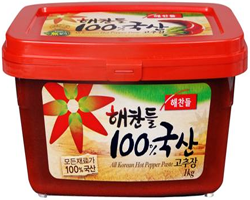
Red pepper paste (known as gochujang)
produced by South Korea’s CJ Corporation is gaining popularity in North Korea,
according to inside sources. Goods from South Korea are ordinarily strictly
forbidden from being sold in North Korea, but since the gochujang is considered
a food, authorities are regulating it lightly, affording vendors and consumers
alike the chance to get their hands on the sweet and tangy sauce that is so
characteristic of Korean cuisine.
“Crackdowns on South Korean cosmetics and
electronic goods are constant and severe, but food products like gochujang have
found a bit more leeway,” said a Yanggang Province source in a telephone
conversation with the Daily NK on September 11th. “Ever since residents started
mixing North Korea’s flat tasting gochujang with the sweeter variant from the
South, the South Korean product really started to take off.”
An additional source in the same province
verified this news. A source in South Pyongan Province also reported the same
trend in her region, specifically citing the product’s concentration in the Pyongsong area.
“In the jangmadang (marketplace), we can
choose between gochujang made by Chinese, North Korea, and South Korean
manufacturers. The South Korean product is the most popular. Right now, in
Yanggang Province’s Hyesan Market, 2kg goes for KPW 12,000 (about USD 1.44),”
she added.
“At first, the sweet tasting South Korean
gochujang wasn’t selling well. But that all changed when residents realized how
delicious it was when mixed with North Korean gochujang. North Korean gochujang
isn’t glutinous, so if it is left out for too long it can get crumbly. And when
it ferments, it gets runny. But if we mix a little of the South Korean product
in there, it becomes glutinous, which gives it a longer shelf life, a smoother
texture, and the taste is pretty good too.”
The gochujang is sold in 500g and 2kg
packages, according to the source, who added that the smaller 500g package is
“perfect for when you’re eating on the go or using a lunchbox for school or
work.” The 2kg package is usually used for mixing into fermented soybean
paste-based stews or mixing with North Korean gochujang.
“Residents who have been too busy and tired
to make their own gochujang are now once again enjoying the taste of one of
their favorite ingredients,” she explained.
She added that vendors who sell South
Korean shampoo or makeup aren’t able to put their products on their display
tables at the jangmadang, for fear of the market’s regulators. But gochujang is
technically a food so vendors can take advantage of a legal loophole and sell
the red sauce right out in the open. With word spreading about the absence of
crackdowns on foodstuffs, other areas are also getting in on the game.
“Residents are accustomed to authorities
cracking down on all types of products from the South because they allegedly
spread impure thoughts. But looking at the example of gochujang there appears
to be some exceptions. Nowadays, those who are craving some gochujang are
likely to purchase a South Korean product,” the source concluded.









