

Following the completion of mass rallies and lectures, designed to
realize projects laid out in leader Kim Jong Eun’s New
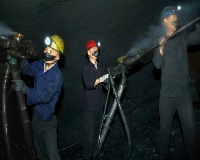
Year’s Address, the massive layoff of 10,000 mine workers at Musan Mine beginning earlier this year has gained significant traction.
“Last December a Party secretary declared in
a staff meeting that there would be layoffs, a measure being implemented
currently,” a source based in North Hamkyung Province
told Daily NK on Thursday. “Dozens of skilled workers
and researchers were included in the first list announced.”
During the meeting, the secretary said the first to go in the massive restructuring would be “disgruntled workers, those who
take unauthorized leave, and the sick and elderly.” The first group in particular seems hardest hit by the directive. “The
first batch of people comprises those, who for one reason or another, got on
the wrong side of the secretary and manager or vocalized their
disgruntlement with the poor salary and ration system,” he said.
In September of 2013, North Korea promised
consistent rations and salary bumps for the miners, hoping to increase overall
production and boost iron ore trade volume with China. But when these pledges
were went unfulfilled, discontent brewed among the workers. Now, the Party
secretary and mine manager are carrying out personal vendettas, rather than
being carried out according to restructuring principles, according to the source.
“In light of the looming mass layoff, [mine
officials] have transformed a cooperative farm area in Musan County into a ‘potential site for a mine,’” he said. He
explained that workers caught in the reconstruction’s wake will be reassigned to this area to work as farmers.
This development has done little to assuage
the nerves of anxious workers desperate to know what fate awaits them after the
scale down. Reassignment to the farm site automatically relegates one’s title from “worker” to “farmer,”
an automatic demotion to a significantly lower social class. “Because of this, more people have been looking for new jobs at trade
companies and regular factories in the surrounding area,” he explained.
Many are troubled by what the massive cuts could portend, pointing out that “if highly-skilled
miners that have dedicated themselves to their work are being laid off like
this, regular workers might as well have lives not even worth a fly.” The source said these bouts of worry are frequently followed with condemnation as to why they are forced to worry in the first place: officials
firing workers that are vocal about wrongdoings and the Party directives allowing it to occur.









