
Faced with worse-than-expected food shortages, North Korea’s leadership recently ordered officials stationed abroad to secure grain supplies, Daily NK has learned.
According to a high-ranking source in North Korea on Friday, North Korea issued an order in early August calling on officials stationed overseas to pay their party contributions for the second half of the year in kind, namely, in rice, corn, beans and other foodstuffs.
The order was sent to officials working overseas in the Ministry of Foreign Affairs, Ministry of External Economic Relations, the Defense Industry Department, Central Committee and other agencies as diplomats, trade delegates and smugglers of specialized items.
Even agents sent to Africa and the Middle East with false passports to smuggle confidential items for the regime have been ordered to deliver rice. This has sparked concern among them about whether the nation might be facing its greatest difficulties since the “Arduous March.”
North Korea reportedly afixed an explanation to the order that blamed COVID-19 for the shortfall.
The explanation read, “Agricultural production took a hit following a ban on movement with the emergence of COVID-19 cases during the first half of the year, a time when the nation was supposed to fully mobilize labor into agricultural areas.”
North Korea’s leadership also told officials to secure as much grain as possible “since one ton would be good, as would two tons,” and that it would exempt the value of the grain they secured from their scheduled cash contributions to the Workers’ Party.
The State Planning Commission and the Cabinet’s Agricultural Commission usually calculate food shortfalls in late October, when the outline of the year’s grain production becomes apparent after the harvest. But this year, with North Korea engaging in full-scale production of wheat and barley, they made their calculations in late July, at the end of the double-cropping period.
When the estimate revealed worse-than-expected shortages, North Korea’s ruling party and Cabinet convened a meeting to discuss a response.
The source said officials at the meeting also proposed a plan for the government to make official requests to import food from China or Russia. However, the meeting decided to call on overseas officials or groups to secure food for the state on their own, believing an official request from the government for food would look bad.
Specifically, North Korean authorities asked officials overseas to take care to avoid incidents that would require direct state intervention. They reportedly stressed — multiple times — that this effort was not part of an official food request by the government.
In fact, North Korean authorities are being very careful to hide from audiences both at home and abroad that the state received food from other countries. That is, they asked officials to maintain secrecy to ensure nobody sees either the order to secure food or the process of actually securing the food.

North Korea appears to have ordered its officials to operate in utmost secrecy because Pyongyang itself considers it shameful for a nation developing nuclear weapons to beg for food from other nations, and faith in both the party and state could collapse if North Koreans were to learn of the effort.
The Indian Chamber of International Business (ICIB) recently posted on its homepage that North Korean officials had visited the New Delhi office of the ICIB to discuss humanitarian food aid for the North Korean people, along with a photo of individuals presumed to be North Koreans.
In regards to this news, Daily NK’s source expressed concern, warning that “if news of a request for food gets out like that, [the officials] could be punished.”
In particular, North Korea has reportedly underscored that officials overseas must not directly communicate with South Koreans or Americans. They can obtain South Korean or US-based grain through citizens or groups in other countries, but they must not directly deal with people from those two countries. Moreover, South Korean or US grain must not be marked in any way that could identify the nation of origin.
The source explained that the authorities worry about the political and ideological repercussions that could follow if North Koreans were to find out that they received food aid from South Korea or the US.
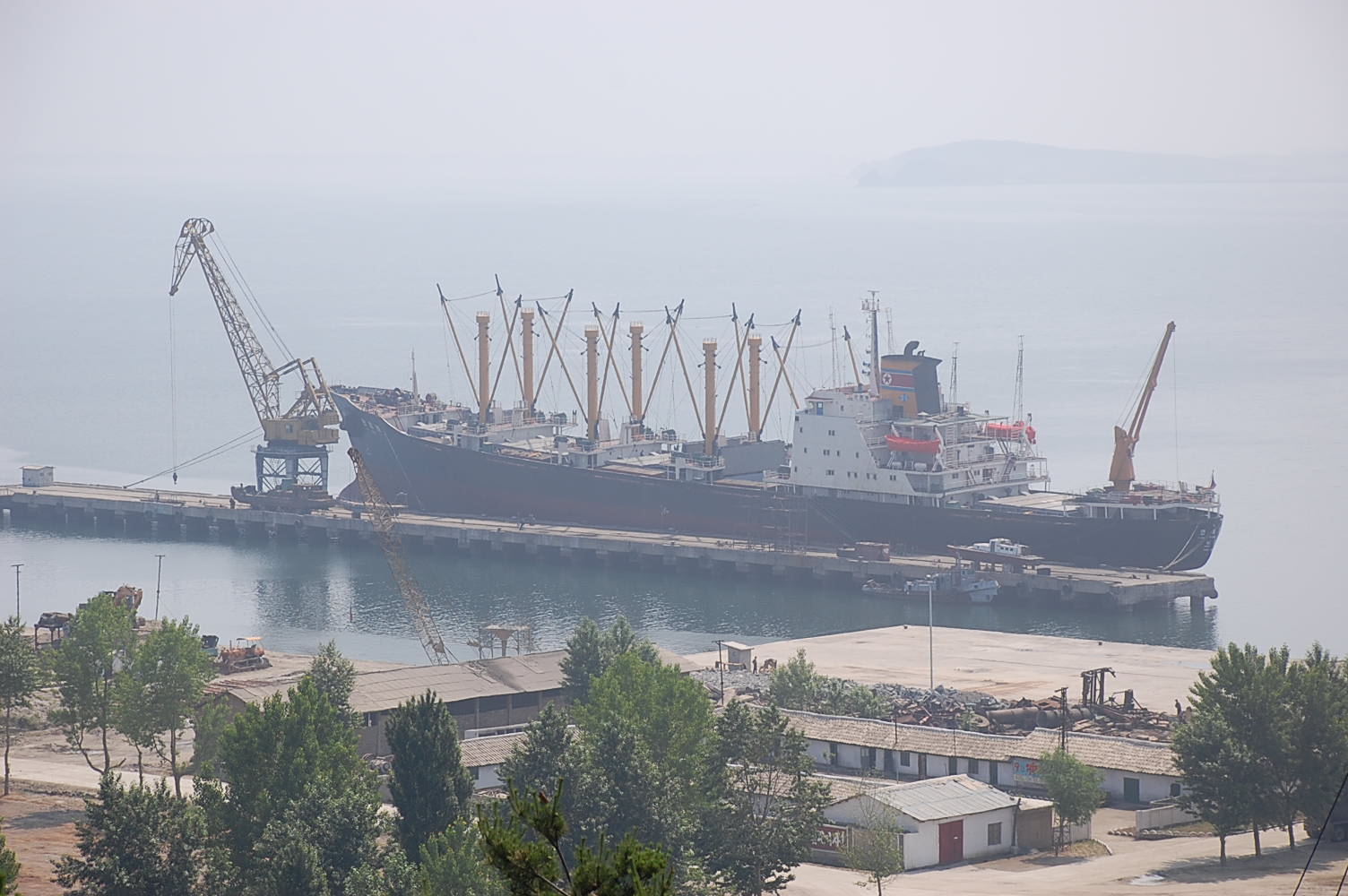
Meanwhile, grain secured by North Korean officials overseas is reportedly entering the country through not only the ports of Nampo and Songnim, but also the port of Hungnam, South Hamgyong Province on the East Sea coast.
Another Daily NK source said that while most of the grain is coming from China, “food will come in from several countries as every official dispatched overseas has been tasked with providing grain.”
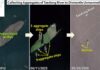
North Korean authorities recently imported wheat from Russia, but distributed it after mixing it with North Korean wheat and grinding it into flour to hide where it came from.
Please direct any comments or questions about this article to dailynkenglish@uni-media.net.