

The carry-on luggage of North Korean diplomats and trade officials departing from Pyongyang International Airport for Russia has become a topic of public conversation.
According to a Daily NK source in Pyongyang recently, North Korean diplomats and trade officials, traveling with their families, departed for Vladivostok, Russia, on June 20 and underwent customs screening before their flights. The unusual items they carried caught attention.
Customs officials were surprised to discover numerous North Korean-made confections and everyday items in both carry-on and checked luggage.
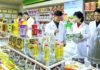
The confections included hard, coarse cookies made from wheat flour without milk or lard, roughly packaged candies and peanut crackers made in private homes and sold by weight, plus bread snacks, egg snacks, and gyeopgwaja from Pyongyang. Daily items included North Korean-made toothbrushes, toothpaste, and underwear.
Customs officials warned some travelers about overweight bags, but everyone was allowed to proceed after paying $1 for each kilogram over the limit.
The customs officers were puzzled. “Why are you bringing these kinds of items when they’re so common overseas?” they asked. “Russia produces plenty of wheat and people eat bread with butter, so why bring so many North Korean snacks that don’t taste good and low-quality everyday items?”
One diplomat laughed and said that while foreign snacks are also tasty, “North Korean ones are cheaper, we’re used to them, and snacks are all the same whether they’re foreign or North Korean.”
Cutting costs
However, another diplomat told a customs officer he knew that bringing these items overseas was essentially like making money. “This is because they’ll run out of money if they buy foreign snacks to eat,” the diplomat said frankly. In other words, diplomats cannot make ends meet overseas on what they receive from the state and can only survive by packing as many snacks and everyday items as possible.
The diplomat explained that they couldn’t spend dollars freely just because they were overseas, that they needed to endure hardship to survive abroad just like North Korean people at home, and that they needed to save money if they wanted to bring any dollars back when their overseas assignments ended.
With a bitter smile, he said, “People envy us because we’re going overseas, but we struggle to survive overseas like any North Korean.” He added, “We must send dollars home every month to meet our state quota, and we must feed our families.”
“The customs officials shared what the diplomats said with the public, and it’s become a hot topic,” the source said. “People were surprised that North Korean diplomats face this reality, while also having mixed feelings about it.”