
South Korean NGO “Korean War Abductees’ Family Union (KWAFU)” has submitted a civil petition to the South Korean government urging greater focus on the issue of Korean War abductees during the remainder of this year, the 60th anniversary of the war of 1950-1953.
In the coming December the government is due stop accepting reports from those wishing to register cases of Korean War abduction, a project that began in January 2011. However, few applications have so far been received and the project has received a lukewarm societal reaction. It is this that inspired KWAFU to submit the petition on May 21st, it revealed today.
Most notably, since this July marks the 60th anniversary of the end of the war, the petition calls for the production of a documentary on the issue by a public broadcaster (KBS is named), which KWAFU believes would help to elevate public interest and drive further reporting of cases.
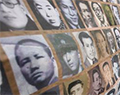
“Roughly 20,000 of the wartime abductees were the leaders and intellectuals who founded the Republic of Korea,” the text of the petition declares, “Many were also children and young adults forcibly abducted for reconstruction during and after North Korea’s prosecution of the war. That was around 100,000.”
Although the petition notes the “exceedingly meaningful” enactment of a law on the issue in 2010, it also goes on to point out, “More than 60 years have now passed, yet still the people do not know about the wartime abductions issue, and since there have been few applications from families there are difficulties in implementing the law.”
According to the head of KWAFU, Lee Mi Il, “We have been using diverse methods of promotion, including banners, posters, radio, electronic signboards, TV caption adverts, video adverts, and SNS.” However, “To get the participation of families, the role of TV is important.”
“We registered the civil petition on the 21st and are waiting for an answer, but have not received anything yet,” she added, noting also, “We have filed a number of petitions about wartime abduction before, but have never received a satisfactory response.”