
The people living in provincial areas of North Korea are becoming extremely discontented with the current state policy of explicitly funneling resources to the capital for the construction of the ‘strong and prosperous state’, it was claimed by a Seoul-based source on Sunday.
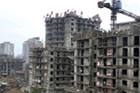
The source said that the civil works projects currently underway in the Mansudae area of Pyongyang include a high-rise apartment buildings for 3,000 families, a theater and park. Kim Jong Il apparently visited the area on September 8th, commenting, “A whole new road is being constructed in the capital, Pyongyang.”
Party and cabinet organs are said to have allocated construction projects to various organizations to create competition, and at the same time are searching for high quality imported trees to help with beautification. Older streetlamps and signs are also being replaced.
One Chinese businessman who recently returned from North Korea also claimed that the authorities appear to be expanding efforts to provide products and provisions to the people, and have been doing so since the beginning of this year.
The Botonggang Department Store, which opened in February this year, is reportedly stocking expensive imports brought in from China including clothes, furniture and food all aimed at the affluent classes, with even luxury brands such as Armani and Chanel available.
80% of a 50,000 ton food donation from Russia delivered in the summer reportedly ended up being distributed to residents of Pyongyang as a special one-off provision, following which the cabinet handed down an order from Kim Jong Il in August to “concentrate on resolving the issues of drinking water, heating and electricity in Pyongyang first and foremost”.
The authorities are also concentrating on developing the leisure facilities in Pyongyang in order to create a festive atmosphere ahead of next year and improve the nation’s image with overseas visitors.
Reinforcements and new additions have been made to the rides at Gaeseon Youth Park, with the amusement park resuming normal operations in April last year. In August, the remodeling of Mangyungdae Water Park was also completed.
However, the blatant nature of the favoritism now being shown to the capital is causing upset in the regions, with people calling the capital the ‘Pyongyang Republic’ while complaining of their status: 20 million regional citizens working for the 3 million people of Pyongyang.
It certainly cannot be said that Pyongyang is the part of the country in the most need of refurbishment, either. Residents of Pyongyang are far more likely to live in apartments, far more likely to receive potable water and have far more consistent electricity supplies overall.
The source said, “People’s dissatisfaction with the Pyongyang-centric policy is steadily increasing, to the point where they talk openly about the inequality and discontent despite the constant surveillance of the security forces.”
Interestingly, the suburban Pyongyang counties of Gangnam, Junghwa and Seongwon, as well as the precinct of Seungho were transferred to the jurisdiction of North Hwanghae Province in February 2010, decreasing the territory and population of the capital. It is now believed that this move was made to decrease the financial burden on the nation’s coffers ahead of the special treatment planned for the city’s residents.
In doing so, Pyongyang shrank from 2,629 to 1,587km². The population similarly decreased from 3.26 million to 2.93 million.
However, this comes with a downside, the source noted, saying “The policies favoring Pyongyang and the shrinking of the territory could be counter-productive for the government, because by actually increasing the numbers of regional citizens who could potentially become opposition groups; in the long term this may become a boomerang coming back to threaten the system.”