
North Koreans continue to abandon their workplaces and places of residence, which has led the authorities to sentence deserters with forced labor as a warning to others, Daily NK has learned.
“Last month, a resident of Hamhung, South Hamgyong Province, returned to his workplace after deserting and failing to report his absence at four party criticism sessions,” a source in North Korea told Daily NK on Friday, speaking on condition of anonymity for security reasons. “He was sentenced to six months of forced labor on charges of failing to receive permission to skip work for one month.”
“Unlike non-party members, party members face problems if they skip criticism sessions, even just once. Party officials could lose their jobs for turning a blind eye to it, so they’re not looking the other way.”
Under North Korea’s Socialist Labor Law, workers are not allowed to leave workplaces without permission. If they do, they face criminal punishment.
In recent years, however, North Koreans have been leaving their places of residence and workplaces as economic difficulties have worsened due to the COVID-19 pandemic. Even with the COVID-19 situation stabilizing in recent months, many people are still leaving their homes and workplaces.
“In fact, even more people are leaving their places of residence or workplaces since the easing of restrictions tied to the coronavirus pandemic,” the source said. “It was hard to leave your place of residence during the pandemic, but now you can go anywhere you like.”
The authorities severely restricted interregional travel during the height of the country’s efforts to combat the virus. Recently, however, travel restrictions have eased since the country declared an end to COVID-19, which has led even more people to abandon their homes and workplaces.
Generally speaking, two or three households per neighborhood watch unit (25 households) in Hamhung have a residential or workplace deserter in them, according to the source.
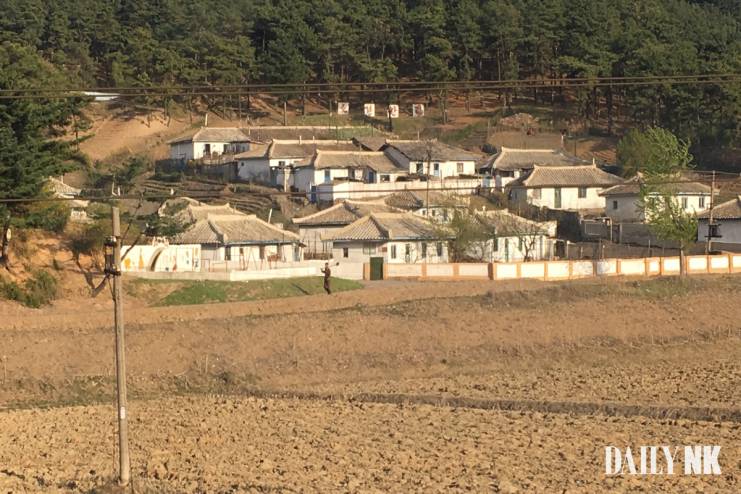
“In fact, around three households per neighborhood watch unit in Hamhung, South Hamgyong Province, fled to farming areas this spring and haven’t returned,” he said. “In Hyesan, Yanggang Province, some households have deserted their places of residence, leaving their homes empty.”
Economic hardship is the fundamental reason people are leaving their places of residence or workplaces, according to the source.
“Many people are leaving to earn money because they still can’t make a living. Some people on the verge of starvation and unable to make money are also heading to farm villages.
“They look for land to farm, or if they can’t find any, they head to other villages. Some people are under daily pressure because they can’t pay back loans, so they flee their places of residence to avoid creditors.”
Translated by David Black. Edited by Robert Lauler.
Daily NK works with a network of sources who live inside North Korea, China and elsewhere. Their identities remain anonymous due to security concerns. More information about Daily NK’s reporting partner network and information gathering activities can be found on our FAQ page here.
Please direct any comments or questions about this article to dailynkenglish@uni-media.net.