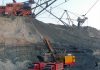


In a move that surprised absolutely no one, Kim Jong Un recently toured North Korean munitions factories, proudly inspecting shell production that has reportedly quadrupled. As he strolled through facilities churning out artillery rounds, Kim praised workers for their contribution to North Korea’s “basic combat power” – a rather understated description for weapons likely destined for battlefields far beyond the Korean peninsula.
The timing of this visit speaks volumes, coming just as South Korean intelligence reports billions in weapons sales to Moscow. These transactions coincide with approximately 15,000 North Korean troops reportedly deployed to Ukraine, transforming what might seem like routine leadership into something far more significant.
This factory inspection appears less like standard ceremonial duty and more like Kim personally overseeing the fulfillment of a substantial business arrangement. The visit effectively showcases North Korea’s commitment to its increasingly important Russian partnership, which has allegedly given Moscow tactical advantages in the western Kursk region.
The relationship between these two internationally isolated regimes represents a pragmatic alliance with serious global implications. Russia receives the munitions needed for its Ukraine campaign, while North Korea gains economic benefits and diplomatic support from a permanent U.N. Security Council member.
Meanwhile, the international community observes these developments with growing concern, recognizing that conventional diplomatic pressure has limited effect on either nation. As production lines in Pyongyang accelerate, the ripple effects extend far beyond the factory floors Kim so proudly inspected, potentially reshaping regional security dynamics for years to come.
Note: This is an opinion column offering a wry perspective on North Korea.