
The blueberry harvest season has arrived in North Korea and is generating intense competition between ordinary residents and government officials tasked with bringing in foreign currency, sources in the country say.
Many local North Koreans are busily harvesting blueberries despite the intense heat in the Samjiyon area of Ryanggang Province, and government officials are trying to make as much money as possible.
Foreign currency traders are buying blueberries picked by locals at the bottom of mountains and trucking them away to factories for processing. Fights sometimes break out between traders and pickers when the traders try to cheat on harvest estimates.
“The traders measure the blueberries harvested just by sight and force the pickers to accept these estimates,” a source in Ryanggang Province told Daily NK on August 14.
“The traders try to cheat the pickers by telling them that they will ‘get the blueberries tomorrow’ if there are too many sellers and that ‘those that want to sell their harvest must do it now for a cheap price.’”
The traders also stress that the price harvesters can get for the blueberries will fall if the berries are not fresh, she added.
Angered at this, pickers complain openly that the traders “take away all the profit [from the harvest] except just enough to cover basic costs to sleep and eat,” and that “the state is taking away all the profits when all we are doing is trying to feed our families.”
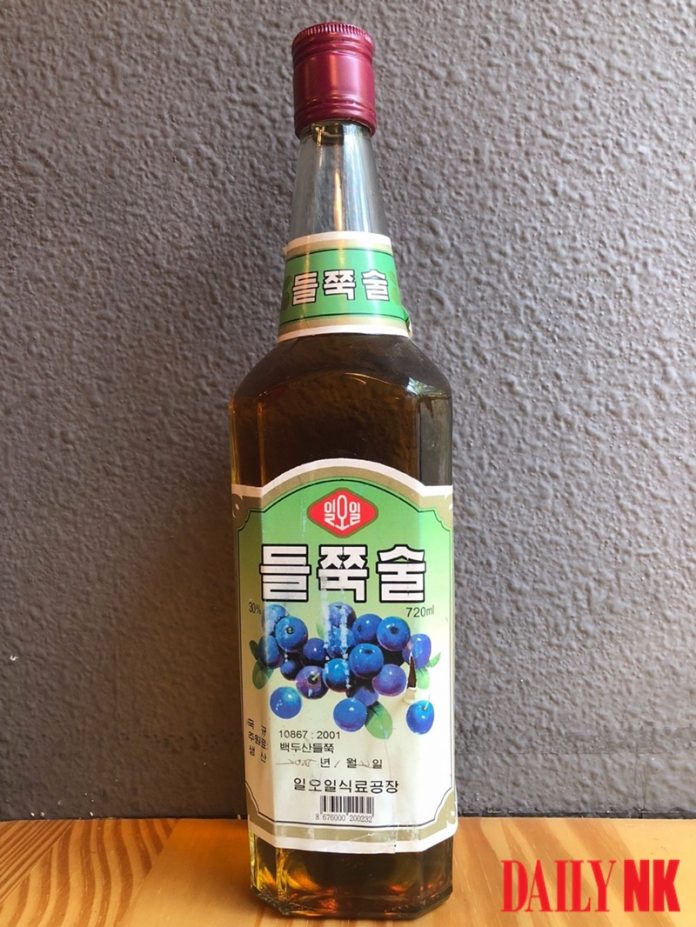
Blueberries are considered a “natural treasure” in North Korea, and the economic difficulties the country faces have resulted in them becoming a premium item to sell abroad for foreign currency.
The state permits pickers to keep any excess harvested above their quotas, driving many North Koreans to head for the hills in the hope of making money.
“Many people are saying that the state’s attempt to cheat people out of what they deserve means that it has run out of money,” a separate source in Ryanggang Province said.
“People are also saying that they can no longer do business with the government.”
Soldiers are also cashing in on the frenzy, with some simply “taking the blueberries away from the pickers and sell them to the traders,” according to an additional source in Ryanggang Province.
“Those who understand what’s going on provide bribes [to the soldiers or traders …]. As a result, most of the pickers every year are poor.”
Blueberries generally grow in high-altitude areas and are prevalent in the Samjiyon County and Paekam County areas of Ryanggang Province.
The North Korean regime earns foreign currency by exporting blueberry juice made by the Hyesan Blueberry Processing Factory to China. In April, it was reported that a new blueberry beverage factory is under construction in Samjiyon County.